Death Star Dance (Andor S2E1-3 analysis)
I liked the first season of "Star Wars: Andor." I had some minor frustrations with it, mostly about the pacing, but I enjoyed it a lot. I certainly enjoyed it more than I have any Star Wars media, and indeed more than I believed I would ever enjoy Star Wars media.
So far though, season two is on another level. The pacing issues are gone. The contrivances necessitated by all plot threads only being allowed to move as fast as Cassian Andor does are gone. On that second point, I feel like the show has realized that it doesn't actually want to be all about the titular character, and it's made peace with that. He's now the hero of his own story, while Mon Mothma, Luthen, Bix, etc are free to be the heroes of theirs without needing to keep pace with him. The result is at least as tightly put together as the Aldhani episodes, but with much greater scope, complexity, and emotional stakes.
If the rest of season 2 is anywhere near as good as these three episodes, then it might actually be the best season of live action television I've ever seen. One of the bests, at the very least. I'm going to hope for the best going forward.
One thing that helped this three episode arc stand out from what comes before (and, presumably, what will come after) is its thematic focus on attachments. In a weird way, I think that it's to the show's credit that it doesn't make any particular statement about attachments. Rather, it's just an exploration of what they can mean and what they can do within a revolutionary context, for good and for ill. "Harvest" ended with Mon abandoning virtually all of her attachments in the name of revolutionary efficacy, while Cassa sacrifices revolutionary efficacy in the name of his attachments, and yet the two aren't framed as opposites on duelling trajectories. The conflict between the needs of human beings and the needs of covert warfare is its own conclusion, showing different facets of itself throughout the arc. This is all, in turn, contextualized by "Andor's" broader theme of escalatory violence.
"The Curse of Our Kind"
In his final retort to Mon Mothma, Luthen said that revolutionaries can't have loved ones. At least, not the kind of love that would make one value their lives above the greater good. In abstract strategic terms, his argument is hard to refute. If you look at Luthen's own actual behavior though, it's not hard to see the limits.
Do you think Luthen would be able to survive without Kleya?
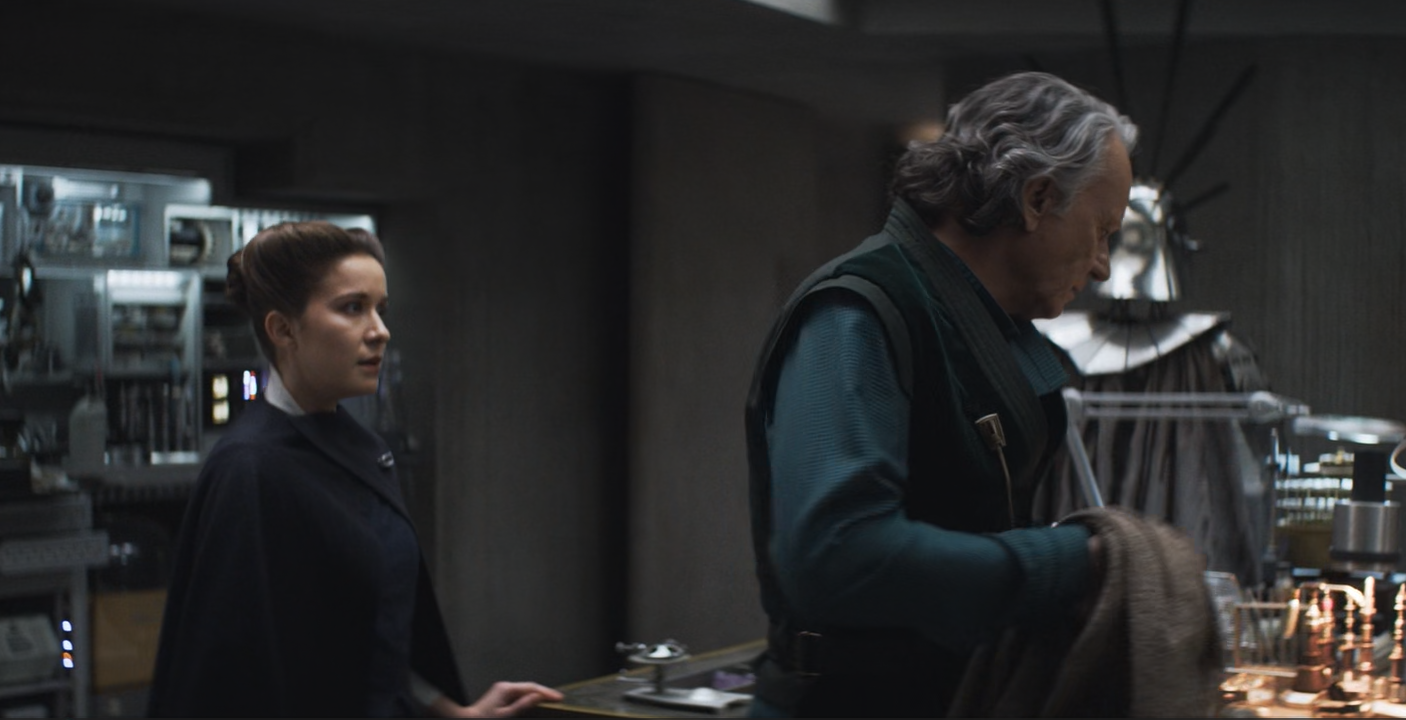
Without her specifically, perhaps he could. But without someone like her, playing the role of confidante and emotional support as well as secretary, how long would he be able to keep going? I think he'd crack very quickly. He'd break under the pressure, and he'd lose his mind.
For all that he lectures people about having too many qualms or ethics or attachments, he still feels the need to let idealists like Saw sanity-check him. He doesn't completely believe his own rhetoric. If he did, I think he'd ironically stop being an effective force for revolution at all. Maintaining a paradoxical, arguably hypocritical, knife-edge state is necessary for him to do what he does. An additional irony, then, is that not everyone in his organization can think the way he does, or else his way of thinking would stop being useful.
It's hard to say that Luthen is right or wrong for how he only kinda-sorta lives up to his own rhetoric. His ideal state for fighting a revolution isn't a realistic one for human beings to achieve. Anyone sociopathic enough to genuinely think and act that way 100% of the time would just side with the Empire.
Perhaps just by virtue of the audience seeing less of them, Kleya and Sinta both appear to live up to Luthen's standards better than Luthen himself does. I suspect that this really is just appearance, though. I don't know if Kleya would be any less lost without Luthen (or someone like him) than he'd be without her (or someone like her). For a moment on the landing pad, Sinta was unable to contain her expression of agonized longing as she met eyes with Val over the shoulder of her soon-to-be victim. We know even less about Sinta's internal world than we do about Kleya's, but I get the impression that she might be approaching her own breaking point from too much isolation. We'll see if she ends up breaking. Or, if not, if she avoids it by letting those walls down and allowing herself to connect despite it being too risky or too inefficient on paper.
Of course, Mon Mothma - the recipient of Luthen's lecture - was the one who lost the most to the curse in these episodes.
Society as a Snare
The motif of family ties tripping people up is most obvious with Mon Mothma's arc, but it's present elsewhere. I don't think it's coincidence that the faultline that divided the Yavin nincompoops to the point of eventually shooting each other was the question of whether someone's brother was a traitor. That whole thing basically existed to be an example of why attachments are dangerous in a revolution. Factionalization based on social or family relationships always get exacerbated in times of stress and scarcity. Few situations are more stressful and deprived than fighting a guerilla resistance.
Family ties and social cliques ruined that group of rebels AS a group of rebels. And maybe also ended their lives. Surprisingly though, despite Cassa being rightly disgusted with that bunch, his later actions don't exactly end up repudiating theirs. The very next thing he does is ignore security protocols, ignore orders, and go on a completely personal mission to rescue his friends that puts the gunship - the prize that their organization has invested untold time, money, and opportunity cost into securing - at risk for zero strategic gain.
There's also something else going on in that subplot. The jungle setting. The absent sibling. None of this has been called back to since the midpoint of season one, so it took me a little while to think of it, but I can't unsee it now.
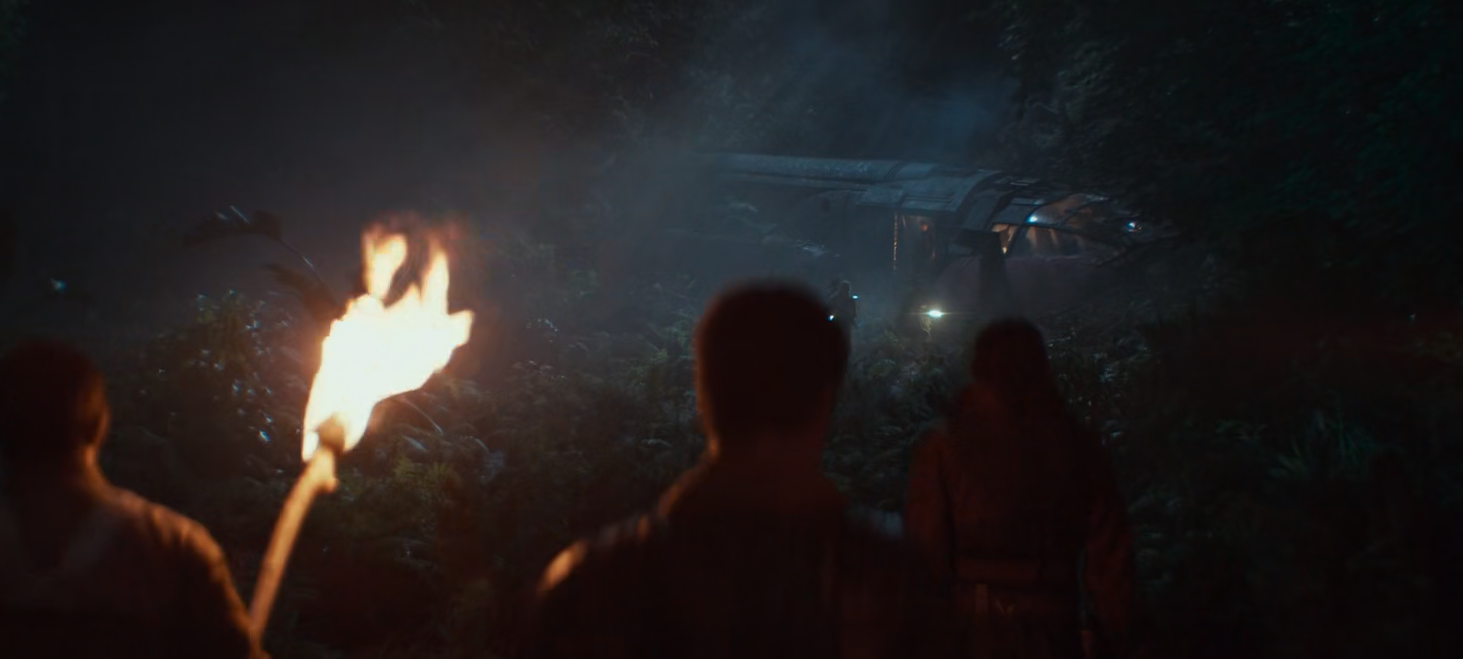
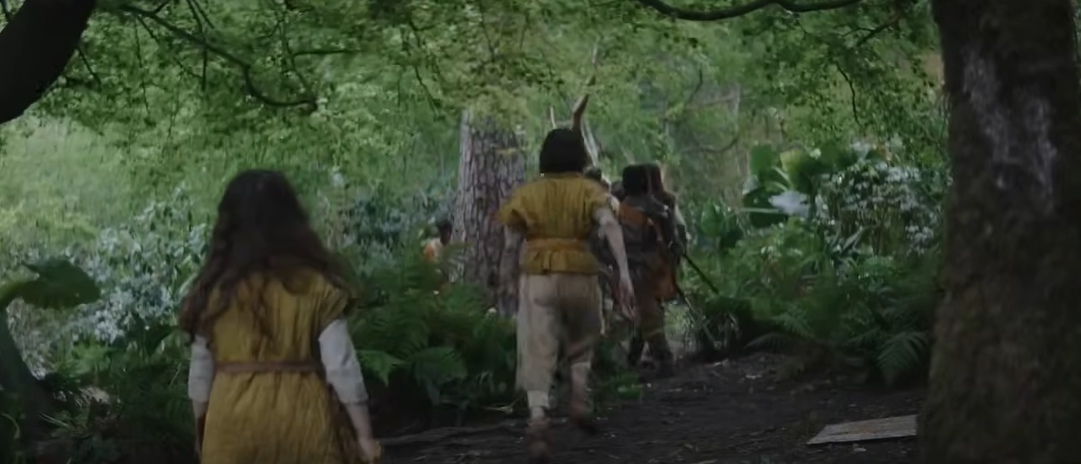
He never wanted to abandon the search for his sister. Part of him probably still feels like he should resume it, quixotic though he rationally knows the task to be. Seeing those idiots dealing with the same things he's dealt with, in an environment similar to the one he spent his childhood in...I feel like that was priming him to be anxious about the few loved ones he still can go back to. So he went for them even when it was stupid. Even when it was a betrayal of the rebellion's trust in him.
Part of his grimly defeated expression at the end of "Harvest" was, perhaps, him admitting to himself that he's not really that much different from the Yavin morons.
...okay, that's not fair to Cassa. He's still way, way better than the Yavin morons. But while judging himself for that moment, I don't think he felt that way.
However rightly furious Kleya must be with him, though, I don't know how harshly you can judge Cassian for that indiscretion. The reason being that if he hadn't done that, and Bix and the others had gotten killed, I think that would have been Cassa's own breaking point. He would have lost his mind and never been useful to the rebellion again after that, and I don't think the gunship would have survived either.
That said...the fact that it ended up turning out alright this time is as much down to luck as it is any merit of Cassa's. That stunt could have easily led to him dying, the prototype being recovered, and the entire heist being a total waste of Luthen and Co's limited resources. None of this is a justification or an excuse for his weakness in this situation. It's just why he did it. Like he told the undercover lady at the base in "One Year Later," at the end of the day you come home to who you really are. If that's not good enough for the cause, then too bad. Condemn him for that if you think he deserves it. Execute him like Tae if you think he deserves it. There's no "should have" or "shouldn't have" here. Only "had to."
Man Mothma's defeatist wedding blessing may have been onto something, accidentally. Without those tiny bright spots, the darkness is unnavigable. It's just up to you how much time you can forgive your fellow revolutionaries for spending in them. And sometimes the answer to that question is more about luck and happenstance than actual rightness or wrongness.
What Are We Even Fighting For?
I think that "Harvest" is the episode that really shows us what Luthen meant when he said that he's been forced into the likeness of his enemies. We see what a pure example of his unbounded, unempathetic, coldly rational pragmatism looks like in practice.
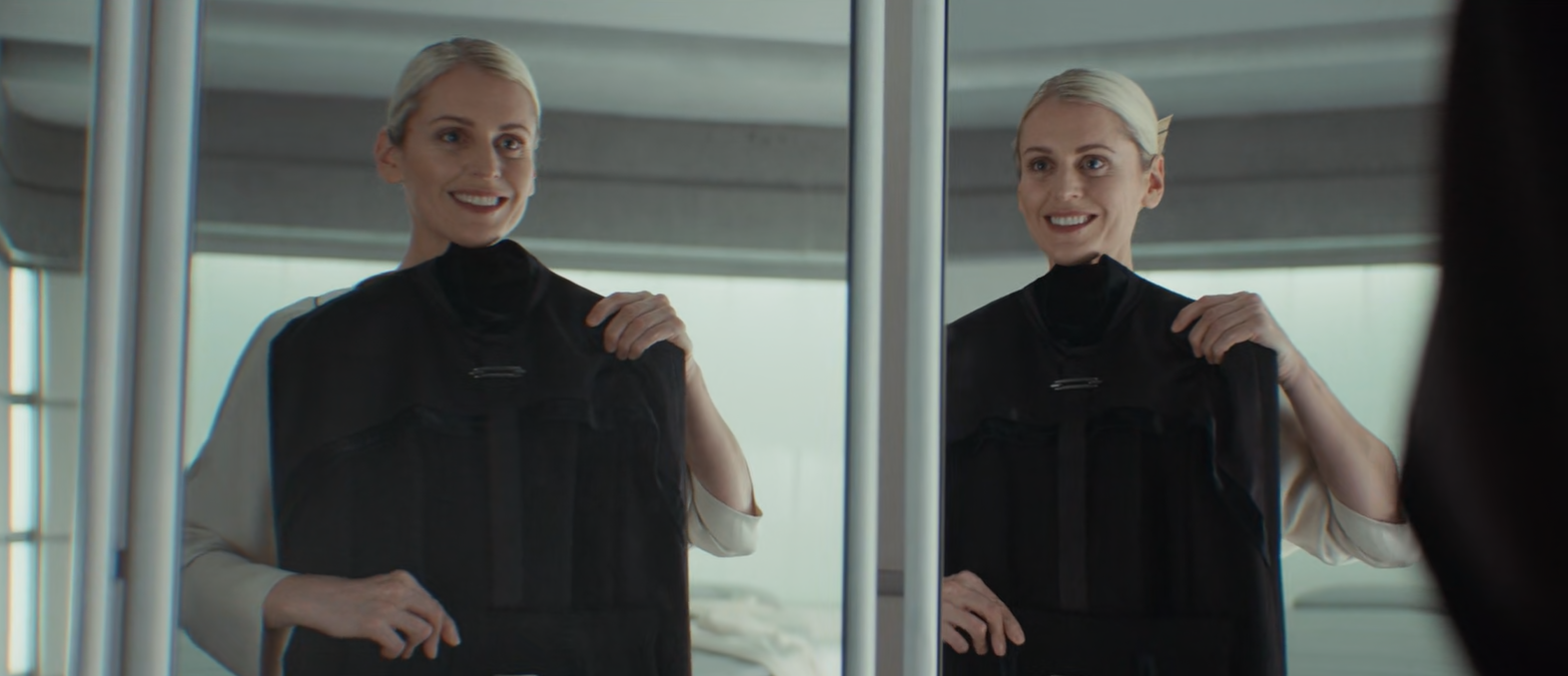
An orc.
Empty houses. Silent "families." Nothing to live for besides fear of the alternative. Nothing to hope for besides temporarily being slightly less miserable than everyone else. A paradigm of anti-society. Anti-humanity. Anti-life.
On one side of the knife edge is a psychotic break. On the other side is Dierdre Meero. Dierdre, and the future for the galaxy that she represents. Complete alienation from any concept of family, society, or even really self, with acts of coercion and violence as the only imaginable method of expression.
Watching Dierdre try to be human is a reminder of not only the moral risks undertaken by the rebels, but also of the stakes of the rebellion. They need to resemble this - to some degree - in order to prevent the future from being nothing but this for everyone forever.
The only way out is through. People will break, in the struggle. People will fail, and fall. Some are more fragile than others, but they didn't ask to be put under this pressure. They'll judge each other and punish each other for these failures, if they need to to get through themselves. Good for the ones who get through, I guess.
This is what I meant by saying that the conflict of human attachments versus tactical necessity is its own thematic statement. People have their attachments, they sacrifice them or don't, and the consequences are good or bad or neither. There's no right or wrong answers here. Right and wrong stopped meaning anything when the law turned criminal.
High up in space, there's a metal sphere building itself out of all this violence and dehumanization. Growing so big it sucks everything into its gravity.
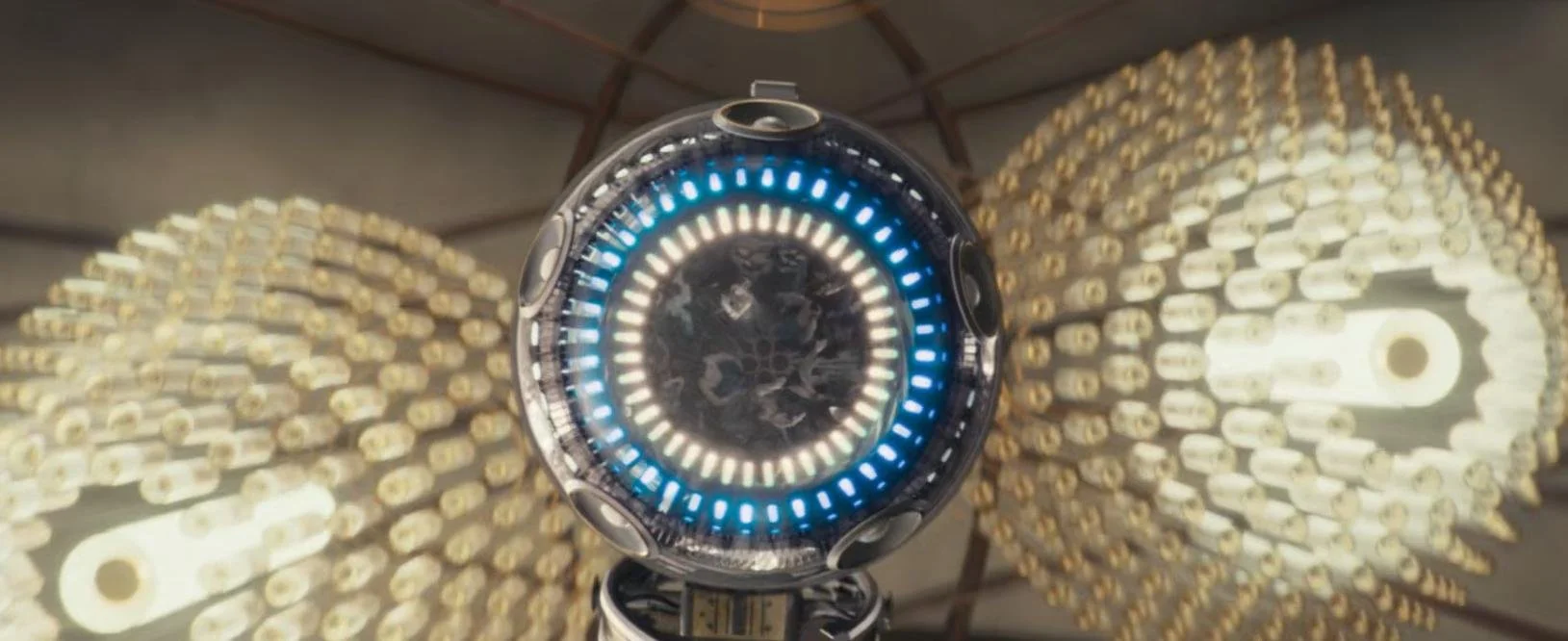
As long as it exists, everyone, whether they're fighting for it or against it, is stuck dancing to its tune. And the tune sounds a lot like screaming.